
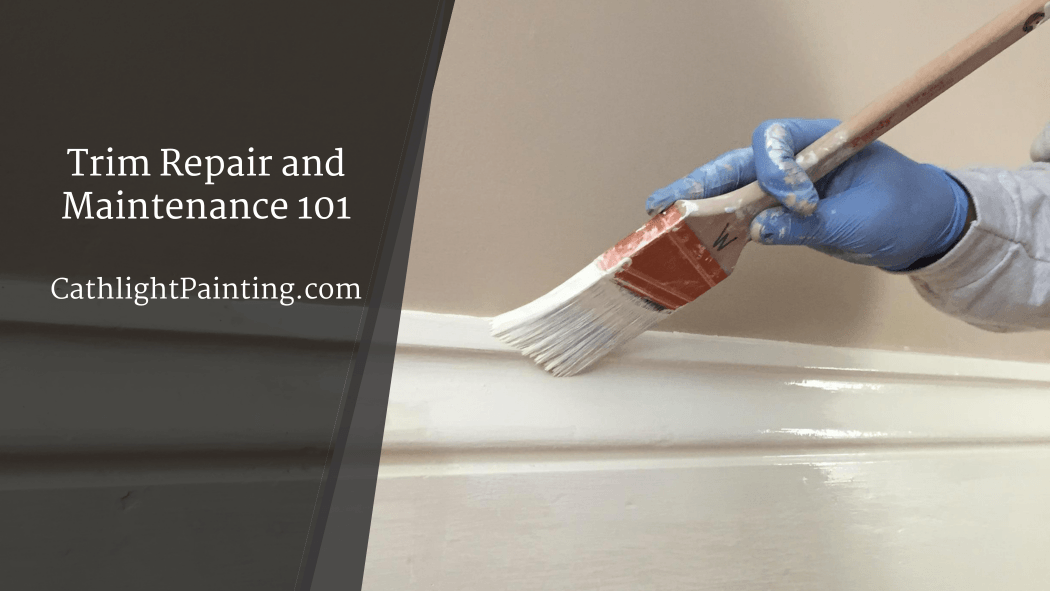
Trim has a funny way of disappearing into the background, right up until it starts looking rough and neglected. A scuffed baseboard or peeling window trim can quietly age an otherwise well-kept home. The problem is that many homeowners aren’t quite sure how often their trim actually needs maintenance, or what signs to look for before small cosmetic issues become larger repairs.
The truth is, trim is one of the hardest-working parts of the home! Inside, it handles daily traffic, cleaning, sunlight, pets, kids, and furniture bumps. Outside, it’s exposed to moisture, UV rays, freeze-thaw cycles, and Bostonian weather that does its best to challenge painted woods of all types.
Interior Trim – Small Wear Adds Up Over Time
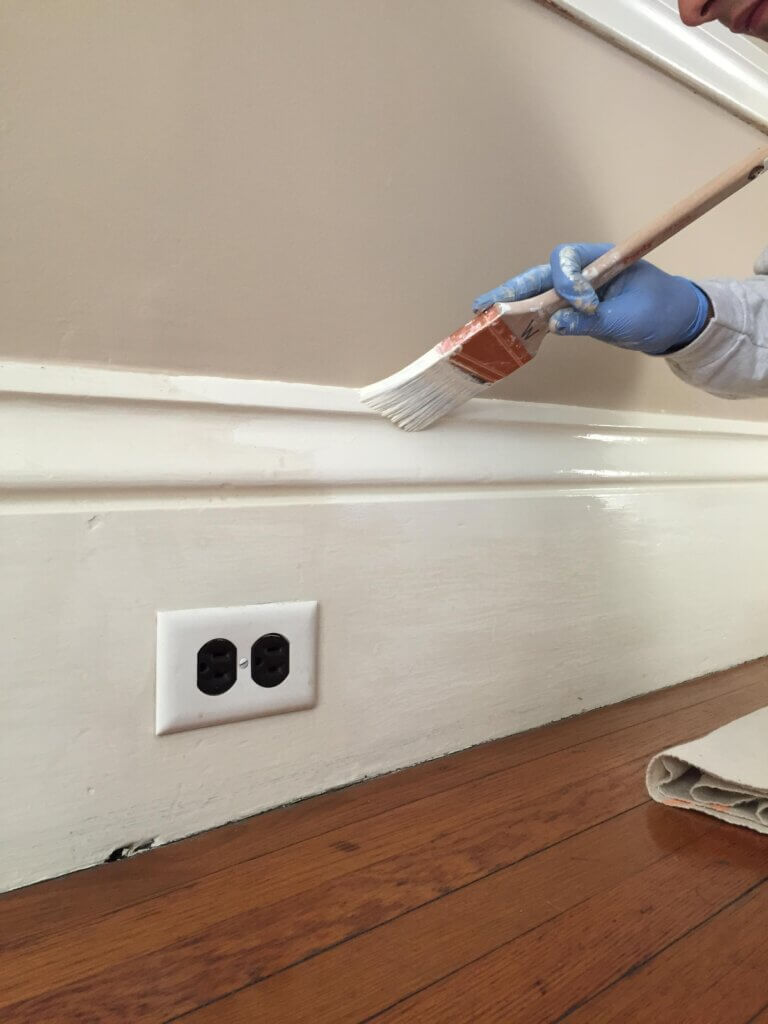
Interior trim usually ages gradually. Baseboards collect scuffs from shoes and vacuums, door casings absorb fingerprints and cleaning wear, and sunlight slowly fades painted finishes near windows. Because the damage happens very gradually, homeowners often stop noticing it altogether.
While there’s no doctrine to follow regarding trim maintenance and trim painting schedules, a realistic schedule for interior trim maintenance can look something like this:
- Light touch-ups every 2–3 years in high-traffic areas
- Caulk and crack repairs as needed
- A more complete refresh every 5–7 years, depending on wear and sun exposure
Homes with kids, large pets, or darker trim colors may need attention sooner, simply because wear becomes more visible. The good news is that interior trim maintenance is usually manageable when handled proactively and prevents more involved prep work later on.
Exterior Trim – It’s a Tougher Environment
Exterior trim has a very different, more demanding job. Unlike interior trim, it’s constantly expanding and contracting with temperature fluctuations while also resisting moisture and direct UV light. Over time, paint begins to crack, caulk separates, and exposed wood absorbs water. Once moisture works its way beneath the surface, deterioration accelerates quickly.
In New England, exterior trim should ideally be:
- Inspected every spring
- Spot-repaired and recaulked every 2–4 years
- Repainted every 5–8 years, depending on exposure and material condition
Waiting Too Long Can Create Bigger Repairs
Trim maintenance is as much about appearances as it is protection. Peeling paint or cracked caulk may seem cosmetic, but small failures allow moisture to enter the underlying wood. Once that happens, rot/swelling, and larger carpentry repairs often follow. Catching issues early usually means simpler repairs and longer-lasting finishes.
The Value of Proactive Maintenance
One of the best things homeowners can do is simply pay attention to their trim before it starts actively failing. A seasonal walkaround each spring or fall can reveal early warning signs long before repairs become extensive.
At Catchlight Painting, our trim work often starts with evaluation and repair before paint ever enters the conversation. Sometimes all a home needs is strategic touch-up work. Other times, targeted carpentry and restoration help preserve the trim’s lifespan for years to come.
When trim is maintained properly, it quietly does its job: protecting the home and making everything around it look just a little more finished.
Contact our team to learn more.